Cross-Platform: How to Design a Cohesive UI Without Losing Your Mind

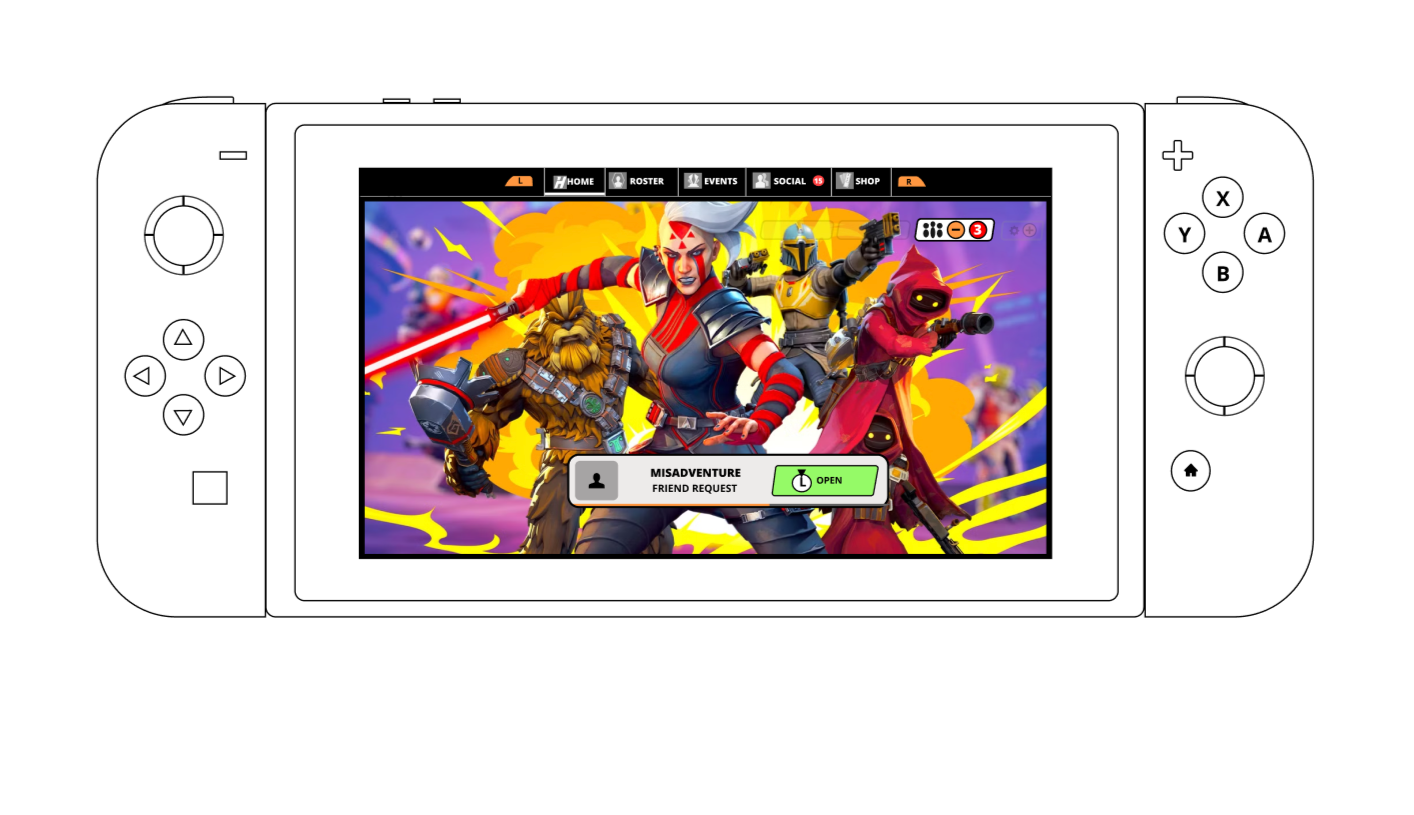
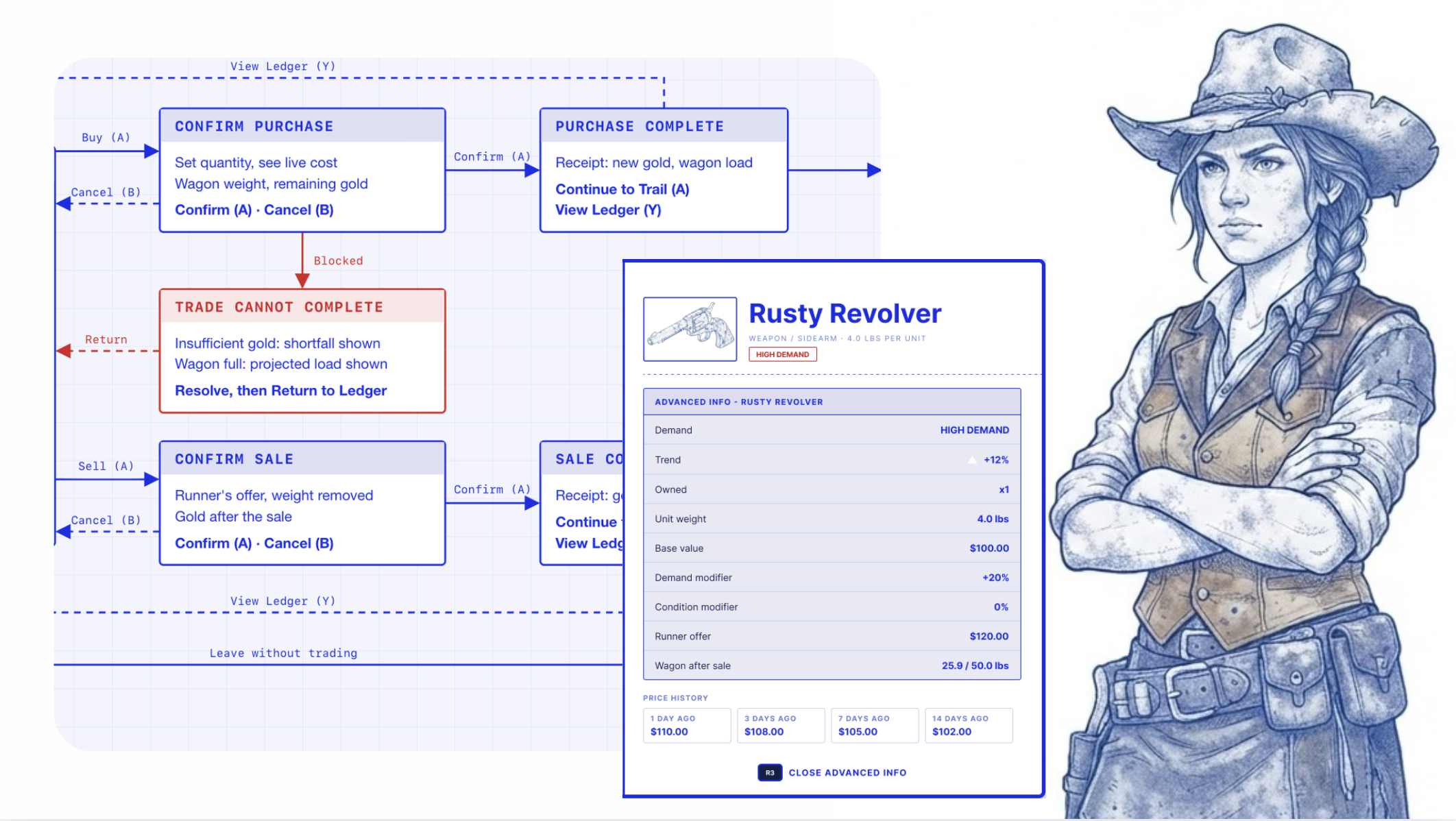
Designing for multiple platforms is not just about moving buttons, if your game isn't accessible on PC, Console, and Mobile, you're missing out on a massive chunk of the market. Creating a cohesive UI across platforms isn't about making everything look identical it's about making the transition invisible. When a player moves from their console to their phone, the logic should stay the same, even if the buttons change.

Read More
Abdi Jama
AAA HUD Design Best Practices: From Health Bars to Quest Logs

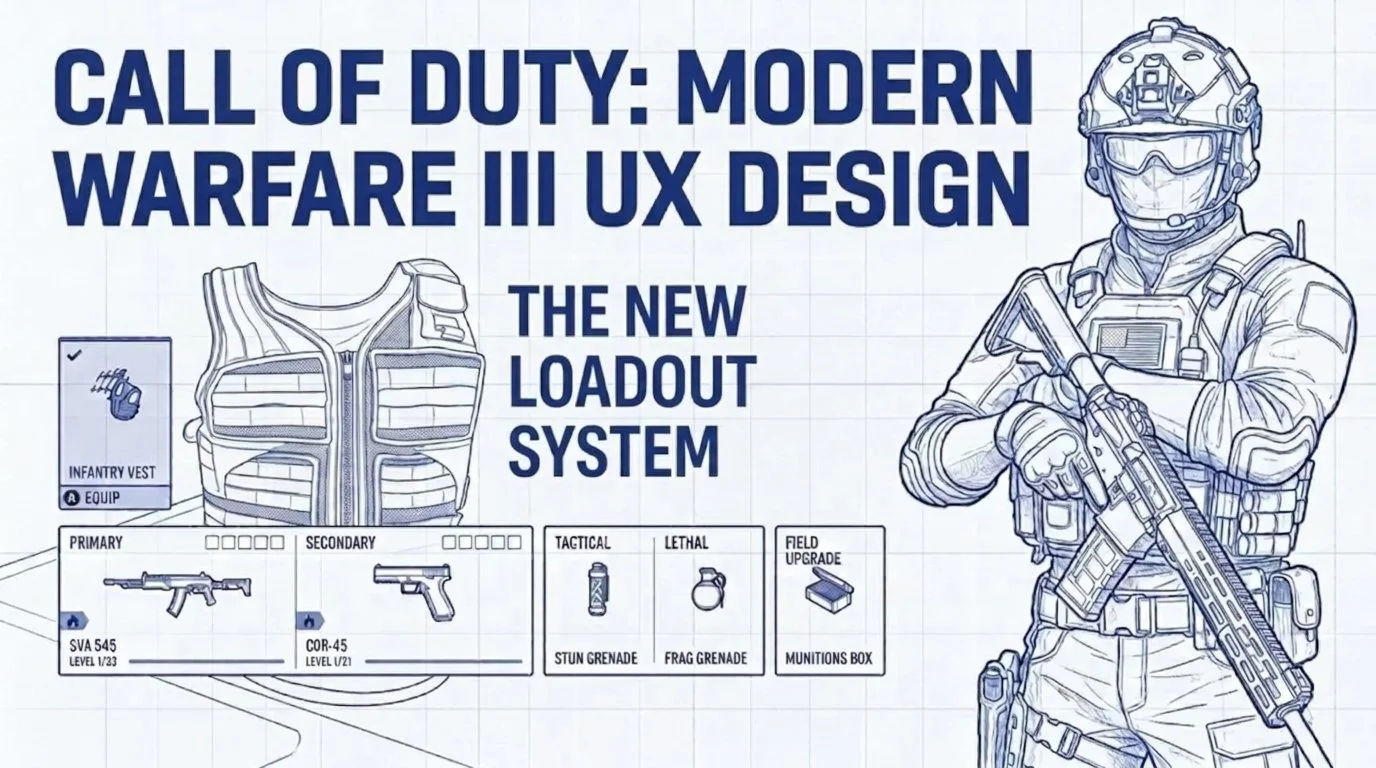
Many games allow you to customise your HUD experience via the settings, to turn off or change your HUD elements. They may even have presets such as hardcore (No HUD) settings or streamer modes. In this post, I will be looking at some console and PC games that have at good notable HUD designs, as well as some innovative ways of incorporating it into your game design itself.

Read More
Abdi Jama
The $10,000,000 Tutorial: Why Onboarding is Your Most Profitable Mechanic

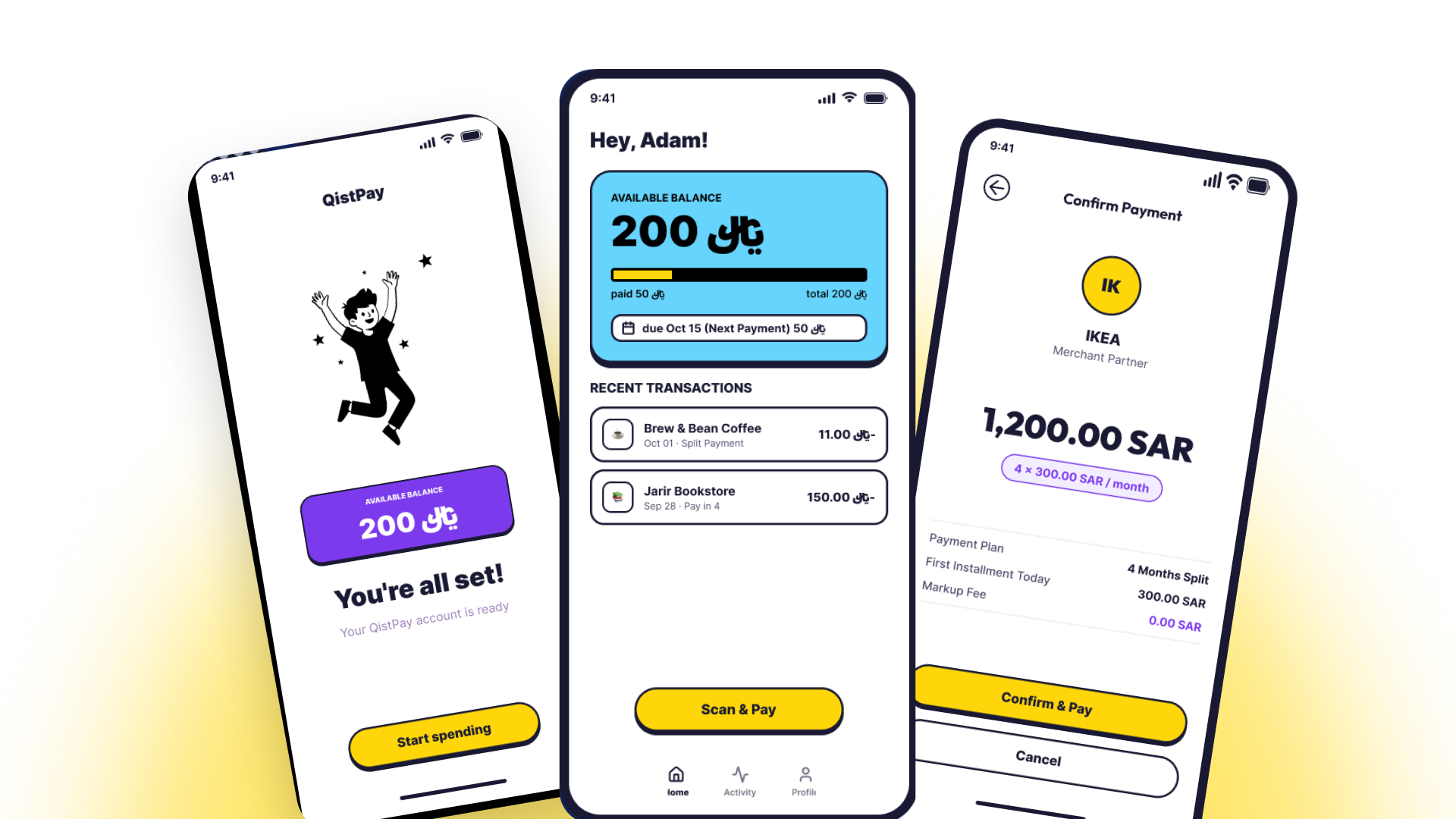
Onboarding is not a box you tick before launch; it is the first live product your players touch. In a world where a player can drop your game and open another in seconds, those first 15–30 minutes are your most important release. Treating onboarding as “just the tutorial” guarantees it becomes outdated, ignored, and resented by players and the team alike.

Read More
Abdi Jama
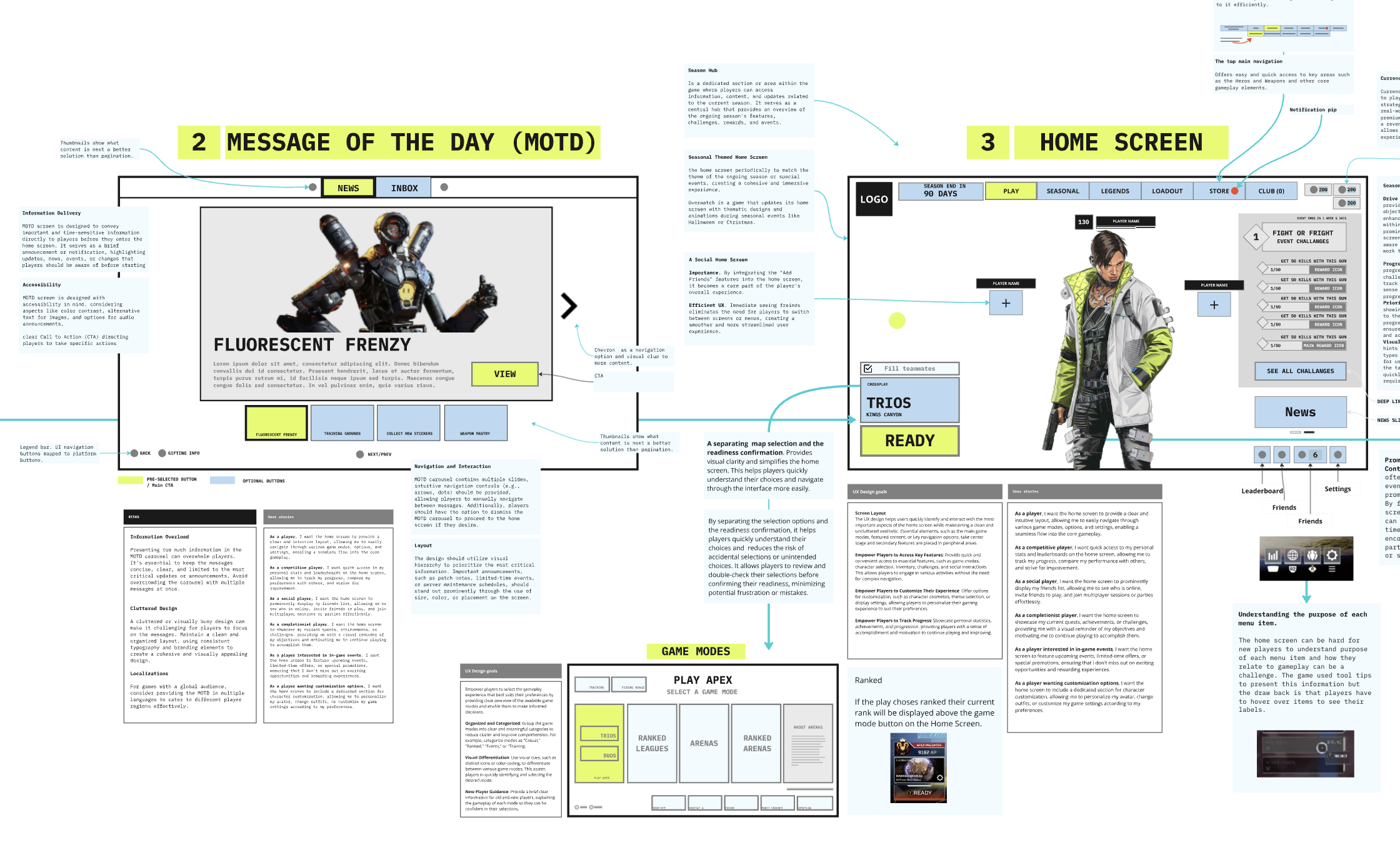
"UX Breakdown: Apex Legends’ Split-Second Chaos

In this Apex Legends UX breakdown analysis, we dive into the seamless integration of its core game loop and the intricate design of every screen, widget, and UI element.

This detailed UX design not only promotes fluid gameplay but also ensures that players can react quickly in high-stakes situations, fostering an immersive and competitive experience.

Read More
Abdi Jama
Menu Anxiety: How Horror Games Weaponize Interface Design Against You

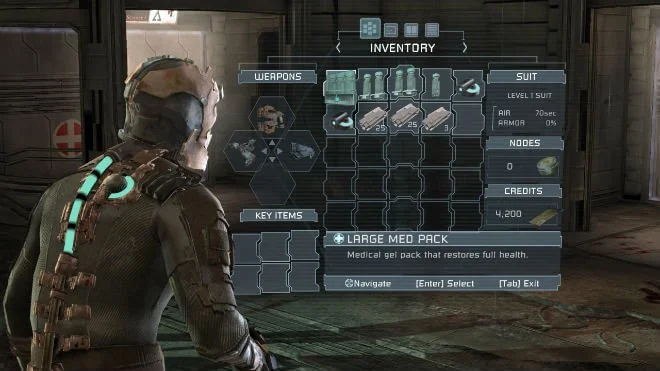
There's a moment in Silent Hill 2 that perfectly captures the genius of horror game design. You're fumbling through your inventory, desperately searching for a health drink while something unspeakable lurks just outside your flashlight's reach. But here's the brilliant part—the inventory screen doesn't pause the game. Time keeps ticking. Danger keeps approaching. What should be a safe space, a moment of respite, becomes another source of terror.

Read More
Abdi Jama
Inconvenient by Design: Why Friction is the Ultimate Status Symbol

In the world of luxury products, inconvenience often masquerades as exclusivity. This counterintuitive approach to design has been embraced by several high-end brands, with Apple leading the charge. By creating products that sometimes defy conventional usability, these companies have managed to turn potential flaws into talking points, reinforcing their brand identity and fostering a sense of exclusivity among their customers.

Read More
Abdi Jama
How to speak Game Dev Without Writing Code

Communication is the most important tool in your stack. You can have the best Figma plugins as a designer or coding skills as a dev, but the most powerful tool is simply understanding how a developer and other teams think. Build the bridge, and your design intent will follow.

Read More
Abdi Jama
The Game Designer’s Guide to Hacking Your Dopamine and "gamify" your life

Question: Why is it that a meal you cooked yourself (even a simple one) somehow tastes better than the one delivered to your door? the same reason In games, harder bosses drop better loot.

This guide is born from my time mentoring and managing young individuals who often found themselves stuck in life. The most common bottleneck I see is Analysis Paralysis—too much choice becomes a prison rather than a freedom. When a person lacks a clear "North Star," they often fall into a trap of trying to solve their entire life in their head, before taking a single stepd.

Read More
Abdi Jama
Are You Playing TikTok, or Is TikTok Playing You? Why Social Media Is the Biggest Game In The World

Snapchat, Instagram and Tiktok aren’t just apps—they're video games where the objectives are attention, expression, and social capital. For game designers, studying these platforms offers a masterclass in engagement. By treating social media as a competitor (or collaborator), we can design experiences that tap into the same innovative community-driven experiences.

Read More
Abdi Jama
AAA combat design: Ghost of Tsushima

As impressive as Ghost of Tsushima is with it’s innovative UX design, it’s thematic beauty and art direction, the heart of any samurai game lies in its combat system and luckily Ghost of Tsushima's combat system is a masterful blend of simplicity and depth delivers a visceral and immersive samurai experience. Lets beak it down.

Read More
Abdi Jama
Is The Best UI the One You Never See?

I used to think UX was about making things easy for people. Then I got into games.

But In games, "Good UX" isn't about making things easy; it's about making things satisfyingly. Its about delivering on the game design whilst balancing the need of the Art Direction and Business goals .

I used to think the less UI the better then I got into branding.

Read More
Abdi Jama
How to use narrative design to create amazing player experiences

Design isn’t just about aesthetics or functionality—it’s about understanding the emotional core of your audience inorder to make unforgettable gaming moments.

Narrative design isn’t just about creating plots or dialogue—it’s about shaping how experiences convey meaning, evoke emotions, and connect with the audience. Let’s explore how these lessons apply to game and UX design.

Read More
Abdi Jama
When Friction is the feature

The harder something is the more people seem to love it. Sounds counterintuitive but here's why!

Usually, UX design is all about creating the easiest possible user experience, but sometimes, adding a little friction can improve the UX. In video game design, friction can be used to create a sense of realism and immersion.

Read More
Abdi Jama
AI: Sell the Magic, Not the Machine.

AI is like electricity: revolutionary, everywhere, and completely invisible. But here’s the problem—most people don’t get it. Not because they’re too dumb, but because companies are too busy trying to explain the voltage instead of showing the lightbulb.

Read More
Abdi Jama
Leveraging Intrinsic and Extrinsic Motivation

Motivation is commonly separated into two different types, Intrinsic and extrinsic and these are important for designers to understand. Motivation can also be linked to the self-determination theory. Users can be motivated to use your product through rewards and incentives but also can be motivated by the internal personal satisfaction of using it.

Read More
Abdi Jama
More UI wont fix Bad Game Design

Game design is the foundation of any great game, defining how players interact with mechanics, environments, and systems. When design falls short—whether through unclear mechanics, confusing navigation, or lackluster feedback—developers might turn to UI as a quick fix. But piling on UI elements won’t rescue a poorly designed game. Instead, it often highlights underlying issues while cluttering the experience.

Read More
Abdi Jama