Saying No to Good Ideas
"Can we just add a button?"
Every team wants a 'simple' product. Then someone senior wants a thing, and it comes with a reason that sounds right. Say yes once and nobody notices. Say yes every time and the product stops being simple.
Here's the key guide I've use up over the years. It must have a clear intent: one sentence that states what the product is for, agreed by the whole team. Every request must fit the sentence.
Product vision statement
A clear statement of intent has three parts. Who it's for. The one job it does. The pain it takes away.
Pick the template that fits:
[Product] helps [who] [do one thing] without [the pain].
A [kind of thing] for [who] that [does one thing].
The [one job] for [who], in one place.
Example
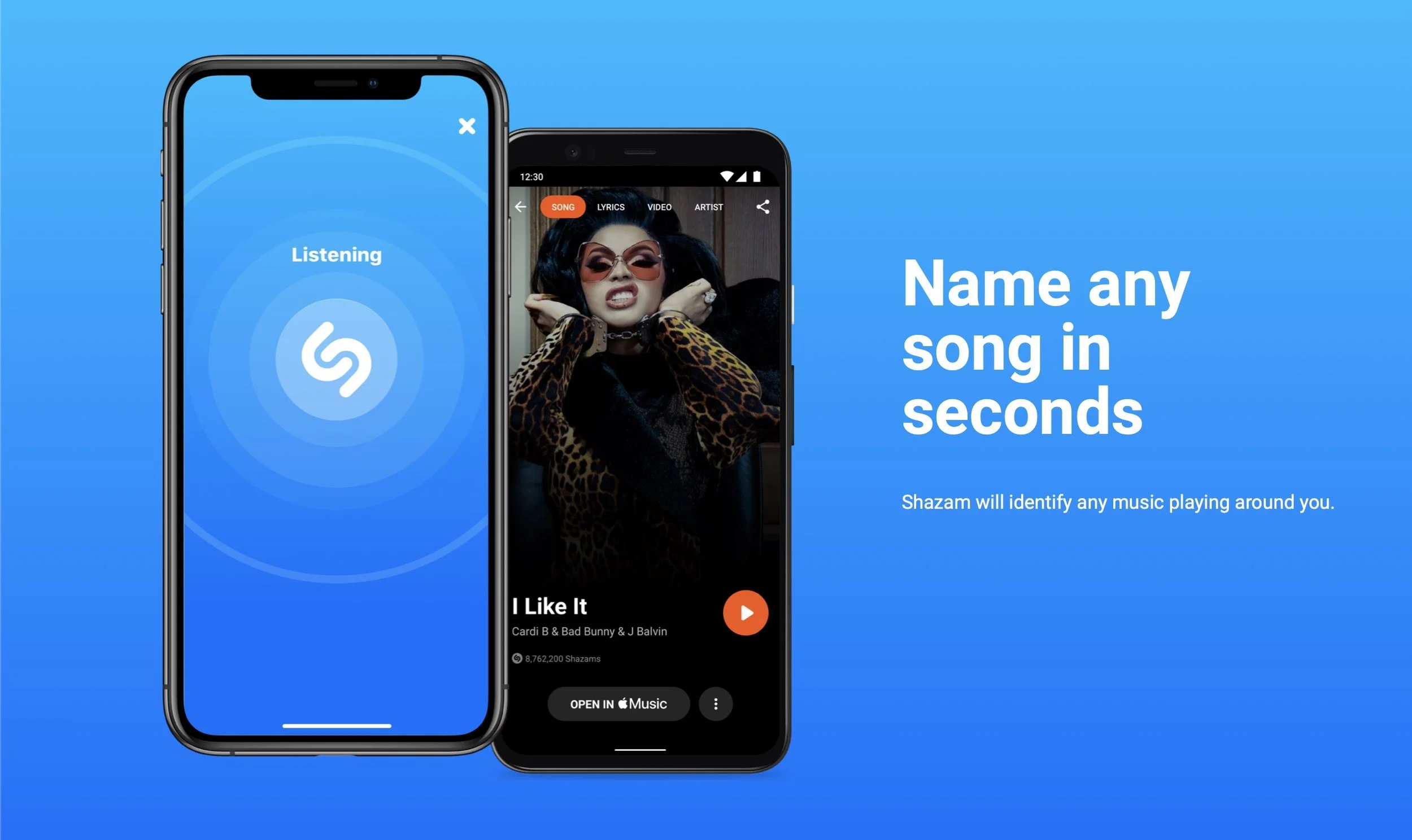
Shazam helps people name the song that's playing without asking anyone.
Shazam doesn't need a social feed, a playlist editor or a music store. It names the song.
That's it. One line. If it needs a comma and a "plus", it's two products.
How to make it
Write it alone first. Everyone on the team, separately, in one line. Then compare. If they don't match, you've found your real problem before building anything.
Start with a person, not a market. "Small businesses" is a market. "A two-person finance team paying couriers on Friday" is a person.
Name the one job. Use the verb your user would use. Pay. Find. Remember. Not "empower" or "streamline".
Name the pain you remove. This is the part teams skip, and it's the part that does the most work. It's what tells you a streak or a timer doesn't belong.
Cut the buzzwords. All-in-one, powerful, smart, AI-powered. They describe how, not why. If a word could sit in any product's line, delete it.
Read it out loud. Would a user recognise themselves in it? Would a new hire remember it after hearing it once?
Get it signed. Design, product, engineering, marketing, and whoever has the final say. If leadership hasn't signed it, you don't have clear intent. You have an opinion.
Weak versus clear
Weak: "An all-in-one platform to boost team productivity." Clear: "A shared to-do list for small teams that never needs a meeting to update."
Weak: "AI-powered insights for modern finance teams." Clear: "Tells a small finance team, every Friday, whether payday is covered."
Weak: "The best way to capture your ideas." Clear: "A no-pressure place to put a thought."
The weak ones let everything in. The clear ones make the next decision for you.
Using it with your team
Once you have it, put it at the top of the brief, the roadmap and every review deck. Then use it.
Point to it instead of saying no. "Which part of our intent does this serve?" moves the conversation from opinions to the product.
Find the intent behind the request. "Add a dashboard" usually means "I can't tell if this is working." Solve that.
Make every yes cost something. "Sure. What comes out to make room?"
Give no a home. Keep a visible "not now" list, with how each item misses the intent. When it comes back, point to the reason.
Agree how ties break. Decide upfront who makes the call. Once it's made, everyone commits.
Bring these to every review
What's our clear intent?
Does this serve it?
Whose reason is this? The customer's, or ours?
What problem is behind the request?
What comes out to make room?
Should we? Or just can we?
One caveat
None of this works if the sentence belongs to the design team. It's a team agreement, or it's nothing.
Clear intent first. Then no is easy. The proof isn't what you built. It's what you leave out.
Thanks for reading.